
Menu
Flatwork Projects in Sierra Vista: Planning Utilities and Landscaping
Concrete Flatwork Sierra Vista
Concrete flatwork in Sierra Vista requires that all parties involved (utility systems and surrounding landscape) be coordinated properly so as to prevent costly changes or issues during the life cycle of a concrete flatwork project. It is imperative to plan thoroughly before placing concrete to accommodate Arizona’s complex utility system, which includes, but is not limited to: electrical service, water, sewer, gas, and irrigation systems. Contractors who are experienced in working on concrete placements will need to carefully identify underground utilities and protect the valuable desert landscape that has been previously installed at each job site while preserving a positive drainage pattern and developing durable surfaces that enhance property functionality. Due to the unique characteristics of the desert environment in Sierra Vista, along with the increased growth of infrastructure in Sierra Vista due to the proximity of Fort Huachuca and other areas within Cochise County, contractors must develop plans strategically to accomplish successful concrete flatwork projects. Through an understanding of utility locating, preserving landscape features, and coordinating with all stakeholders, homeowners can achieve their desired concrete flatwork projects by preventing damage to essential services or destroying established vegetation at the job site.
Understanding Sierra Vista’s Utility Infrastructure
Sierra Vista’s utility infrastructure has developed as an amalgamation of the area’s military history and rapid residential development into a complex underground network of utilities, requiring careful consideration when developing flatwork using concrete. The right-of-way and easements for public utilities (water, sewer, electricity, and telecommunications) are generally well-defined; however, private utilities, such as irrigation systems, landscape lighting, and pool equipment, add to the complexity.
Many homes throughout the area, whether in established neighborhoods adjacent to Garden Canyon or in the newer communities located near the foothills, contain multiple systems of utilities that were installed at different times, with varied routing patterns and depths of installation. Preparing for these systems before commencing concrete flatwork will help to avoid expensive utility strikes, interruption of services, and delay of projects, which can severely impact budgets and project schedules.
Arizona 811 Requirements and Legal Obligations
Arizona law mandates that all excavation projects, regardless of size, contact Arizona 811 at least two working days before commencing an excavation. Contacting Arizona 811 will locate public utilities; however, it is not intended to locate private utilities, such as irrigation lines, landscape lighting, or pool systems. Contractors hire professionals to locate private utilities in conjunction with Arizona 811 to ensure complete coverage of utilities before commencing concrete flatwork.
A Comprehensive Site Analysis and Development Plan
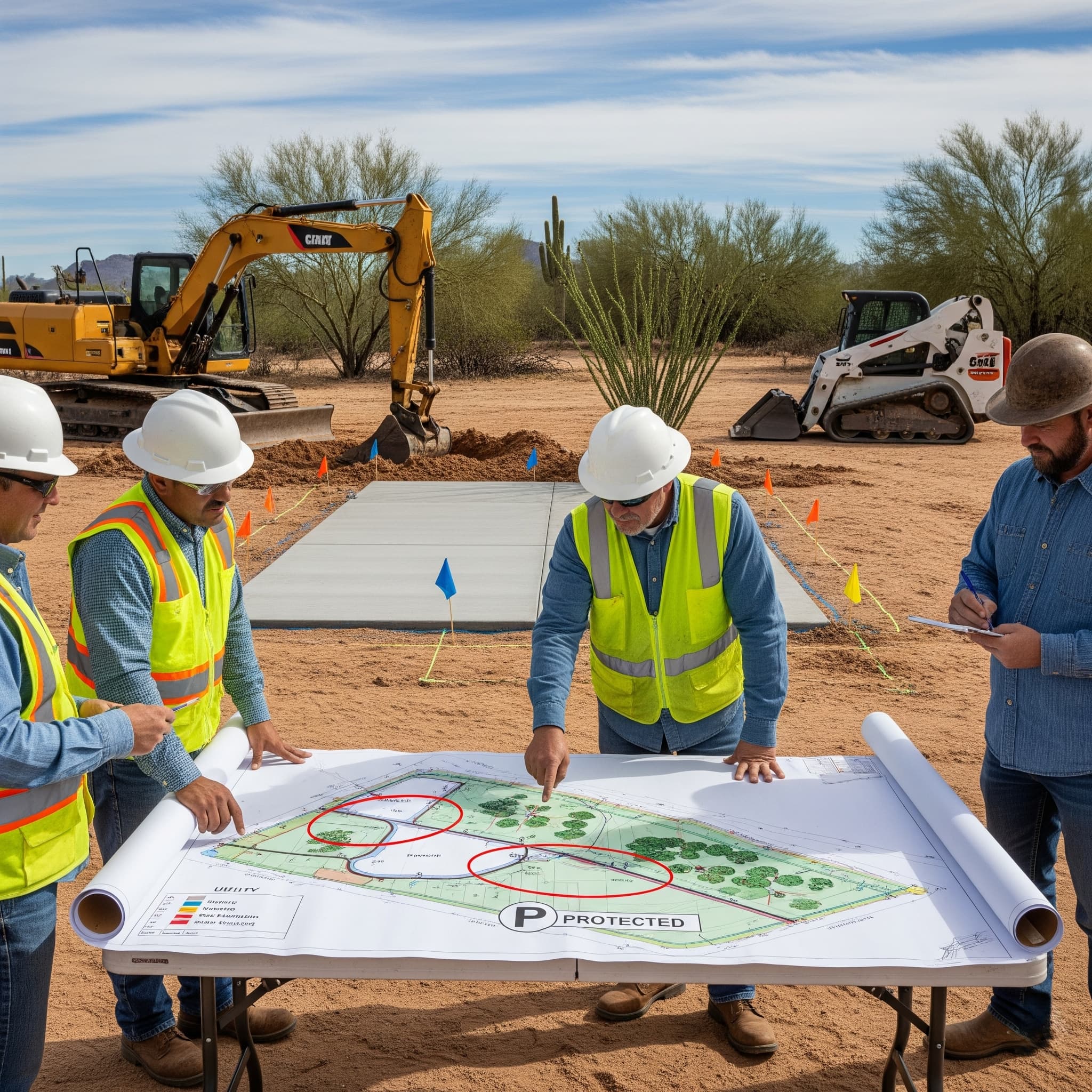
The most effective method to plan concrete flatwork is to conduct a comprehensive analysis of the site, identifying all of the existing utilities, landscape features, and drainage patterns that could affect the design and implementation of the project. Contractors utilize several detection methods, including ground-penetrating radar, electromagnetic detection, and hand-excavation, to identify the presence of utilities and their depth throughout the entire project area.
The site analysis extends beyond the identification of utilities to include the analysis of the existing landscape features, irrigation systems, and mature vegetation that property owners wish to retain. Desert landscapes contain many valuable mature plants that take years to mature, and therefore, the planning of preservation for the property owner’s aesthetic and environmental purposes is a crucial element of the planning process.
Technologies Used in Utility Detection
Utility detection in the modern era utilizes multiple technologies to provide total coverage of underground systems. Ground-penetrating radar detects non-metallic utilities, such as PVC water lines and fiber-optic cables, while electromagnetic detection detects metallic utilities, such as electrical conduits and copper plumbing. Professional locating services provide maps of the utilities found, which direct the design and installation procedures of the concrete flatwork.
Coordination with the Existing Landscape Features
The desert landscape of Sierra Vista creates unique challenges in coordinating concrete flatwork projects, as mature desert plants are a significant investment of time and money for property owners. Mature desert plants, such as mesquite trees, palo verde, and cactus species, require special protection measures during construction to ensure their survival and continued good health after construction is completed.
Preservation of landscape features is more than just protecting roots during excavation. Mature desert plants have expansive shallow root networks extending beyond the visible canopy, requiring protective barriers and altered construction methods to protect them. In addition, existing irrigation systems must be mapped and potentially relocated to accommodate new concrete surfaces while maintaining plant health.
Protection of Roots and Trees
Tree preservation during concrete flatwork requires knowledge of the biology of desert plants and application of the correct protection methods. The critical root zone extends beyond the drip-line, and construction activity within this area can cause long-term damage or kill the plant. The use of temporary barriers, pruning of roots by certified arborists, and modification of installation methods can assist in preserving valuable landscape assets during concrete placement.
Integration of Irrigation Systems and Modifications
The existing irrigation systems present both opportunities and challenges for concrete flatwork projects in Sierra Vista’s arid climate. Many properties have extensive drip-irrigation networks that support desert landscaping while minimizing water consumption, and these irrigation systems often conflict with planned concrete placements. A professional planner integrates the new concrete surfaces with the existing irrigation systems to maintain efficient water delivery to the preserved landscape areas.
Modifications to irrigation systems may include the relocation of mainlines, the relocation of control valves, and adjustments to sprinkler-pattern coverage to accommodate new concrete surfaces. Advanced planning ensures irrigation system damage is avoided while maintaining efficient irrigation to preserve landscape areas throughout and after construction. Newer irrigation controllers and smart-irrigation systems can be configured to adjust for variations in landscape coverage and watering requirements.
Water Conservation Compliance
Cochise County and Sierra Vista enforce water conservation regulations that apply to both existing irrigation systems and new landscape installations. Concrete flatwork projects that alter irrigation systems must comply with current water conservation standards, including proper zoning, appropriate plant selections, and efficient irrigation delivery systems that minimize waste and optimize plant health.
Electrical and Lighting Considerations
Outdoor electrical systems, including landscape lighting, pool equipment, and security systems, must be carefully coordinated with concrete flatwork projects to maintain function while complying with the code. Existing electrical systems may require protection, relocation, or upgrade to accommodate new concrete surfaces and altered pedestrian circulation about the property.
Modern outdoor lighting systems frequently employ low-voltage LED light fixtures that require specialized placement and wiring configurations. The planning of concrete flatwork must address existing lighting configurations and possibly improve lighting by strategically relocating fixtures or upgrading systems. All electrical modifications require a licensed electrician and approved permits issued by the relevant authority.
Safety and Code Compliance
All electrical modifications associated with concrete flatwork must comply with current editions of the National Electrical Code and all local ordinances and amendments thereto. Ground-fault protection, proper burial depth, and proper circuit protection provide for safe operation while meeting inspection requirements. Licensed electricians and concrete contractors coordinate to ensure the timely and protected installation of the electrical and concrete components.
Integrating Drainage with Concrete Flatwork
In order to successfully integrate with existing drainage patterns and possibly improve overall site water management, concrete flatwork projects must be designed to do so. Sierra Vista experiences intense rainfalls during monsoons, and existing drainage systems must be able to manage the increased volume of water. New concrete surfaces can drastically alter both the rate and volume of runoff.
Design of drainage systems for concrete flatwork must include both surface water flow and subsurface drainage requirements, particularly where impermeable caliche layers exist, as they are common in the area. Professional designers will design new concrete surfaces to integrate with existing drainage infrastructure while possibly installing new drainage devices, such as area drains, French drains, or bio-swales, that will enhance the overall performance of the site.
Preparation for Monsoon Season
Arizona’s monsoon season, typically occurring from May through September, produces intense rainfall that tests the drainage systems and may also impact the schedule of installation of concrete flatwork. Project planners anticipate the seasonal weather patterns, including potential delays due to weather and the increased drainage requirements during monsoon storms. The successful integration of drainage systems and concrete surfaces will prevent water damage to structures, preserve landscape areas, and ensure the reliability of new concrete surfaces.
Staged Construction and Phasing
Most complex concrete flatwork projects require staged construction to limit disruptions to utilities and preserved landscape features and allow for the continued use of properties during the construction process.
Staged construction allows the preservation of critical landscape features, provides access to utilities, and limits the overall impact of the construction project on daily property use. Coordinated staging of concrete placement with utility modifications, landscape preservation efforts, and seasonal factors affecting both the health of plants and concrete curing will enable a professional project manager to meet quality standards and project completion deadlines.
Temporary Protective Measures
As part of the staged construction, protective measures are required for the remaining landscape features, utilities, and structures that continue to operate during the construction process. Barriers, temporary irrigation modifications, and protective measures for utilities will prevent damage during the construction process. The planning and installation of these protective measures require the attention of trained professionals to ensure they remain effective throughout the construction process.
Logistics of Material Delivery and Equipment Access
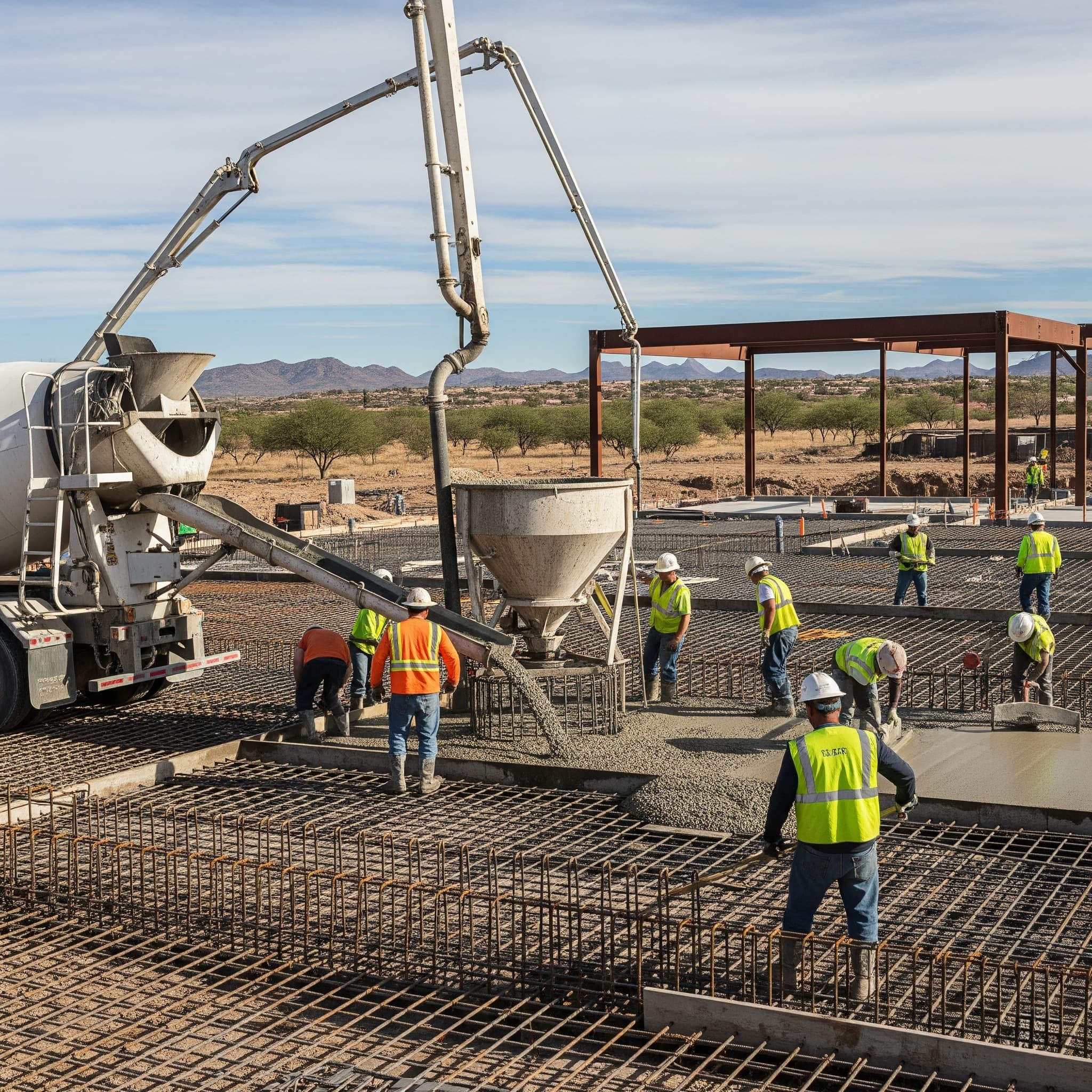
Concrete flatwork projects require large quantities of materials to be delivered to the job-site and heavy equipment to be operated on the site, and must be coordinated with existing landscape and utility limitations. Heavy equipment and ready-mix concrete trucks require adequate access routes to the job-site that avoid damaging existing utilities and preserving landscape features.
Planning of access for concrete placement, the staging of materials, and the movement of equipment on the site will limit the amount of site disruption during the construction process. Trained contractors will develop detailed logistics plans for the concrete placement that account for the locations of existing utilities, landscape preservation requirements, and efficient construction workflow practices that limit the duration and impact of the construction project.
Protective Measures for the Job-Site
During the construction process, some degree of site disruption will occur, and thus, comprehensive protective measures and restoration planning must be conducted to restore the non-construction areas to their original or better condition. Preventing unnecessary damage to the soil, utilizing temporary irrigation modifications, and employing proper handling of materials will limit unnecessary damage and promote the efficient progression of the construction process.
Inspection and Quality Assurance Coordination
For concrete flatwork projects that involve utility modifications, inspection and quality assurance coordination among multiple regulatory bodies and utility companies must be maintained to ensure compliance with all applicable codes and standards. Building inspectors, utility-company inspectors, and contractor quality-assurance personnel must be scheduled and coordinated throughout the construction process.
Trained contractors document the location of utilities, modifications to utilities, and protection measures taken to support inspection processes and provide documentation of the site infrastructure for future maintenance or modifications. These documents are extremely beneficial to property owners and future contractors needing to know the site infrastructure.
Project Documentation and Record Drawing Preparation
Complete project documentation and record drawing preparation includes record drawings detailing the final locations of utilities, modifications to irrigation systems, and details regarding the installation of the concrete surfaces. Record drawings provide supporting documentation for future maintenance efforts, permit renewals, and possible modifications to the concrete surfaces, and provide valuable information to property owners and future contractors regarding the site infrastructure.
Long-Term Maintenance and Future Planning
Concrete flatwork projects that consider long-term maintenance requirements for both the new surfaces and the incorporated utility systems will ensure continued accessibility for maintenance of utilities, maintenance of the preserved landscape areas, and potential future modifications to the property without compromising the durability of the concrete surfaces or the health of the preserved landscape areas.
Future planning takes into consideration potential future improvements to the property, potential future upgrades to utilities, and potential future evolution of the landscape that may affect the concrete surfaces over time. Trained contractors will install expansion-joints, access points for utilities, and details for landscape integration into the concrete placement to support future needs while providing decades of reliable service.
At Sierra Vista Concrete Works, we recognize the complexity involved in coordinating concrete flatwork projects with existing utilities and valuable landscape features. We develop comprehensive plans, use advanced detection technologies, and have the experience and ability to coordinate all elements of the project to achieve our client’s objectives while preserving essential services and environmental investments that contribute to the long-term value and functionality of our client’s property.
LATEST POSTS