Menu
When to Consider Concrete Resurfacing in Sierra Vista
Concrete Resurfacing Sierra Vista
To determine the best time to resurface concrete, consider the needs of your surface as well as the unique challenges of the desert climate in Sierra Vista. While many property owners may be unaware of the early indicators that concrete resurfacing can provide a new life for decades longer than full replacement, the extreme temperatures in Arizona, the high levels of UV radiation, and occasionally the heavy rains during monsoons contribute to the degradation of concrete over time. Consequently, it is essential to have professional advice regarding the appropriate time to resurface your concrete to ensure that you are making the most cost-effective decision that will allow you to maintain an attractive appearance while also ensuring the structural integrity of the concrete.
Identifying Surface Damage Across Different Concrete Applications
The first step in identifying whether concrete is a candidate for resurfacing in Sierra Vista’s harsh climate is to determine whether the surface has been damaged. Any concrete surface (driveway, patio, sidewalk, etc.) will show some degree of surface-level damage at some point in its lifetime. However, the severity of this damage will determine whether resurfacing is a viable option.
Minor surface-level damage, such as hairline cracks (less than 1/8 inch), usually is indicative of typical settlement and thermal movement of the slab and does not signify structural failure. Typically, these types of cracks are considered “normal” and are simply a part of the slab’s life cycle. Surface spalling and minor cosmetic discoloration of the surface also indicate that the underlying concrete structure is still intact; however, the surface layer is damaged enough to warrant some type of restoration.
Scaling and flaking of the surface is another common form of surface damage and is primarily attributed to the freeze-thaw action of the water and chemicals used in the environment. These types of damage can be easily repaired using one of several different resurfacing methods available today. Although each type of surface presents different forms of damage (i.e., pool deck surfaces are damaged primarily due to the constant exposure to chlorine), most of the above-mentioned forms of surface damage are indicative of a need for resurfacing.
Factors Related to Age and Location of Concrete Surfaces
In addition to determining the extent of surface damage, another critical factor to consider when deciding upon resurfacing is the age of the concrete surface. The average lifespan of a well-maintained concrete surface is 30 to 40 years; however, the harsh environment found in Sierra Vista accelerates the normal aging process of a concrete surface. As a result, many residential and commercial surfaces in Sierra Vista, approximately 15 to 20 years of age, begin to exhibit signs of surface degradation. This premature degradation is a direct result of the constant exposure to the sun’s ultraviolet rays and extreme temperature fluctuations. By regularly inspecting the aging process of a concrete surface, a homeowner or business owner can identify the optimal time frame to perform a resurfacing treatment before minor issues escalate into major structural problems.
Climate-Related Damage to Concrete Surfaces
The extreme weather conditions experienced in Arizona, specifically in Sierra Vista, cause various types of damage to concrete surfaces. The constant exposure to the elements and extreme temperatures will create damage that is indicative of a need for resurfacing. In addition, the monsoon season, which brings heavy rain to Sierra Vista, will infiltrate surface cracks and continue to deteriorate the underlying concrete structure. Other climate-related damage that will necessitate resurfacing includes the deterioration of protective sealants, surface chalking, and color fading from UV exposure. Additionally, thermal cycling will cause expansion and contraction of the concrete surface, resulting in the creation of surface cracks on all types of concrete surfaces, including those located in the warehouse district, residential neighborhoods, and public walkways.
Properties located near the Huachuca Mountains may experience more severe freeze-thaw cycles than properties located in lower elevation areas, and therefore may require more timely consideration for resurfacing.
Assessment of Structural Integrity for All Surface Types
A critical element to determine the viability of resurfacing a concrete surface is to evaluate whether the surface damage is merely cosmetic or indicative of a more serious structural problem. In general, if a concrete surface is level, stable, and exhibits no signs of settling or excessive cracking, then resurfacing is a viable option, regardless of the surface application. On the other hand, if a concrete surface exhibits signs of substantial settling, heaving, or cracking, then structural repairs will be required prior to the resurfacing of the surface. Prior to recommending resurfacing, a contractor must conduct a thorough assessment of the surface to ensure that the surface is stable and capable of supporting the weight of any overlay materials. Furthermore, commercial properties, municipal surfaces, and residential properties located near Fort Huachuca may be subject to uneven settling of the subgrade beneath the concrete, thereby reducing the effectiveness of resurfacing treatments.
Cost/Benefit Analysis for All Applications
Resurfacing a concrete surface is generally less expensive than replacing the entire surface. The cost to resurface a concrete surface varies depending on the application, size of the area being resurfaced, and the thickness of the resurfacing material. Typical prices for resurfacing a concrete surface in Sierra Vista range from $3 to $8 per square foot, depending upon the application. For example, a decorative finish for a residential driveway would likely be the least expensive option, whereas a heavy-duty resurfacing system for a commercial warehouse floor would likely be the most expensive option. A well-maintained concrete surface with only minor surface damage will yield the greatest return on investment for resurfacing. If the estimated cost of resurfacing exceeds 70% of the estimated cost of replacement, then replacement is generally the preferred option for achieving greater long-term value for the surface.
Performance Issues for All Surface Types
Declines in the performance of a concrete surface often precede obvious signs of damage to the surface. For instance, surfaces that no longer shed water properly due to settling or surface irregularities require attention to prevent further damage. Similarly, slippery conditions resulting from worn textures on sidewalks, pool decks, and commercial floors pose a safety hazard that can be remedied through resurfacing. Additionally, oil stains, chemical discoloration, and wear patterns that cannot be cleaned may indicate a need for surface renewal on garage floors, loading docks, and industrial floors. Lastly, standing water on a surface after a storm is indicative of a drainage issue that can be resolved through resurfacing.
Indicators of Need for Resurfacing for Each Application
Each type of concrete application presents unique signs of damage that are indicative of a need for resurfacing. Pool decks exhibit surface deterioration primarily due to the constant exposure to chlorine and moisture, which requires specialized resurfacing techniques. Warehouse and industrial floors develop chemical staining, impact damage, and surface abrasion, which can be remedied through heavy-duty resurfacing systems. Retail and commercial floors with high foot traffic require resurfacing to maintain a professional appearance and meet safety standards. Sidewalks and public walkways require resurfacing when surface irregularities create accessibility and safety hazards.
Timing Considerations for Sierra Vista Climate
Determining the optimal time to perform a resurfacing project involves considering both the condition of the concrete surface and the weather in Sierra Vista. Moderate temperatures and limited precipitation during spring and fall create ideal conditions for resurfacing of all surface types. Due to the extreme heat and rapid moisture loss experienced during summer months, resurfacing in this time period requires specialized techniques and materials. During winter months, resurfacing projects may be delayed due to occasional freezing temperatures that will negatively impact the curing process. Planning for resurfacing during stable weather conditions will ensure optimal results and minimize project complications for all surface types.
Preventive vs. Reactive Approaches to Concrete Resurfacing
Proactively performing concrete resurfacing before significant damage occurs will generally provide better results and lower costs than a reactive approach for all surface types. Maintaining and sealing a concrete surface regularly can extend the time interval between resurfacing projects by protecting against environmental damage to the surface. Performing annual inspections will allow you to identify potential issues that could ultimately limit your ability to resurface the surface in the future. In addition, properties with high levels of exposure to UV radiation, traffic, and chemicals may require preventive resurfacing every 10 to 15 years to protect the surface from environmental damage.
Signs of Urgent Need for Resurfacing
There are certain signs of damage that require immediate evaluation and possible concrete resurfacing for all surface types. Examples include rapidly growing crack networks indicating continued structural damage; widespread surface spalling or scaling of the surface indicating widespread surface damage; and standing water that does not drain quickly from the surface, indicating a drainage issue. Finally, visible rebar or exposed aggregate is a sign of advanced deterioration of the concrete surface, which may limit or eliminate the possibility of resurfacing the surface unless the deterioration is corrected.
Alternative Solutions and When They Are Applicable
In order to make informed decisions regarding their surface, property owners must have a clear understanding of when resurfacing is not the best alternative solution. Complete replacement of the surface is generally necessary when there is significant structural damage to the surface or when multiple repair attempts have failed to correct the surface damage. Simple crack repair and sealing of a surface may be sufficient for newly constructed surfaces with minor damage, rather than resurfacing. Finally, decorative overlays are a means of enhancing the aesthetic appeal of a surface and repairing minor surface defects in high-visibility commercial and residential areas. A contractor will determine which alternative solution will provide the best long-term value based on the specific conditions and application of the surface.
Benefits of Expert Evaluation of Concrete Surfaces
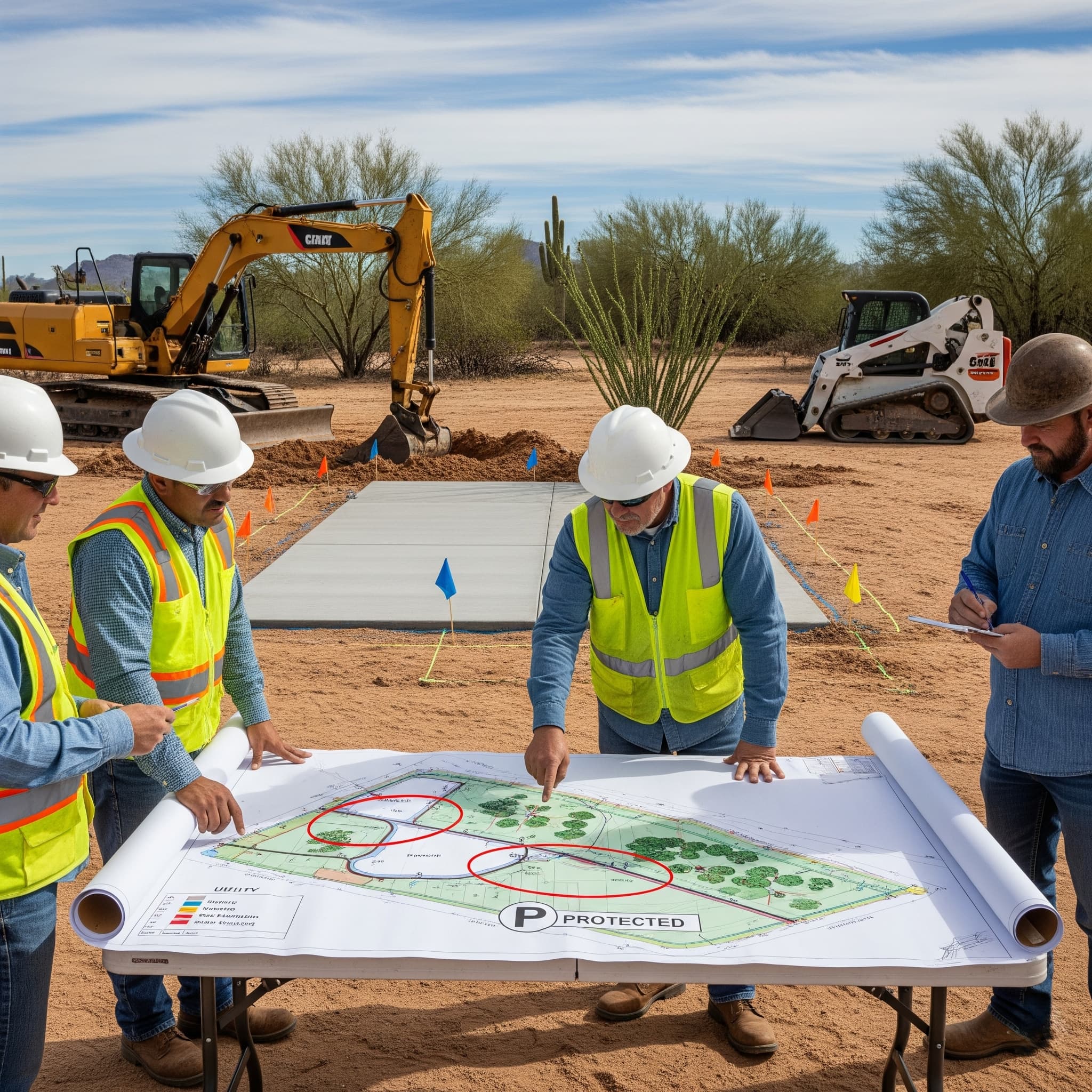
Contractors who evaluate surfaces for resurfacing purposes possess knowledge of the local soil conditions, climate conditions, and building codes that will affect the resurfacing of a surface. Contractors use advanced diagnostic equipment to identify hidden damage, structural problems, and compatibility issues that can affect the outcome of a resurfacing project on any surface type. Contractors can also estimate the expected lifespan of the resurfacing and recommend the appropriate products for the surface and the intended application. Contractors’ assessments of surfaces will help to prevent costly errors and ensure that the resurfacing project meets the expected performance and durability criteria.
Sierra Vista Concrete Works Expert Concrete Resurfacing Assessment
Determining the optimal time for resurfacing a concrete surface depends on the contractor’s understanding of the effects of Arizona’s climate and local conditions on the surface, as well as the surface application. Our team of experts provides comprehensive evaluations of the structural integrity, condition of the surface, and cost-benefit analysis of resurfacing versus replacement of the surface for any surface type. We understand the variables that affect the success of resurfacing in the desert environment, and we offer customized recommendations based on the specific needs and applications of each property. Sierra Vista Concrete Works offers expert resurfacing services to restore the function and aesthetics of your concrete surfaces, while maximizing your investment value in the challenging climate conditions found in Sierra Vista.
LATEST POSTS